
Clubs & enrichment
Recurring creative and technical projects shaped around student interests and real-world challenges.
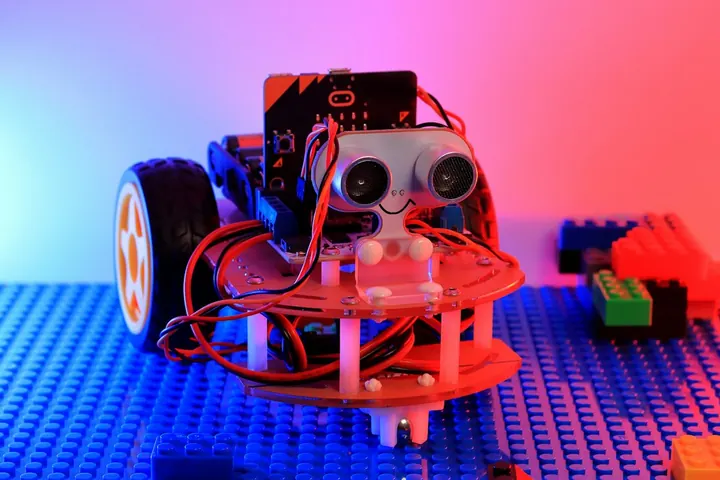
Start with your students, curriculum and the challenge you want to solve.
Customized programs · secondary-school focus · international inquiries
Year levels, delivery format, student numbers, educator, tools, learning evidence and pricing are agreed in the individual scope.

Recurring creative and technical projects shaped around student interests and real-world challenges.
Professional learning around classroom practice, curriculum, assessment, tool choices and academic integrity.

Investigate a challenge, design a solution, test ideas and explain the result.
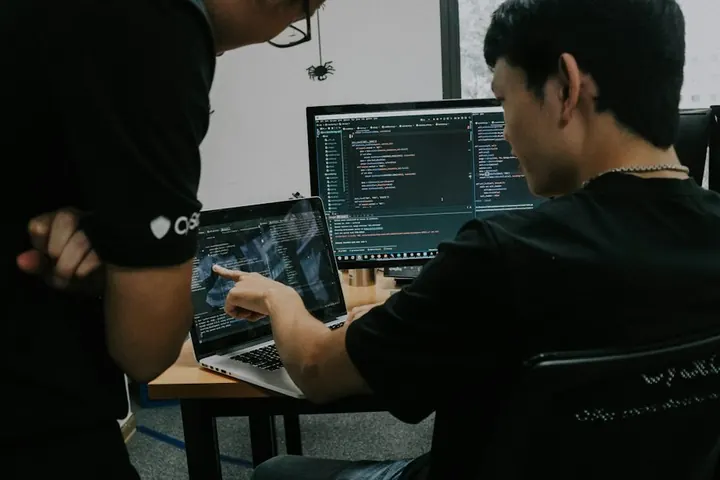
Confirm named facilitators and relevant expertise, school staff roles, supervision, communication and support. Agree group size, student readiness and the conditions needed for effective participation.
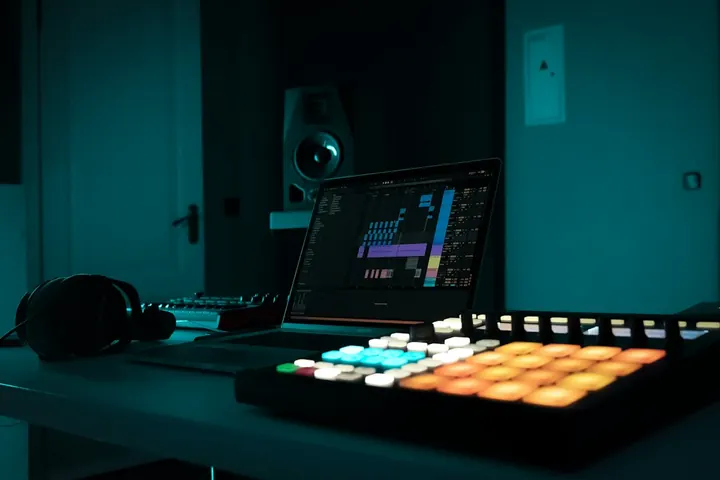
Tool choices depend on the objective, student group and project. Your approved accounts, technology policies and data requirements can inform planning. Confirm platform age rules, account access, supervision, communication and specific data arrangements before delivery. Photography and public use of student work need separate, appropriate permission.
Our school programs are primarily designed for secondary-school students, including middle and senior secondary years.
Group size depends on the learning objective and delivery model. For highly interactive programs, we generally prefer smaller groups and recommend fewer than 30 students per class so students have meaningful opportunities to participate, ask questions and receive educator guidance.
Larger workshops, presentations or whole-cohort experiences can also be discussed where the teaching methodology is designed appropriately.
Yes. School programs may be delivered online, in person or through a blended approach.
We welcome inquiries from schools internationally. The final delivery model will be designed around the school's location, timetable, student group, technology environment and program goals.
The earlier we can start the conversation, the better.
Custom school programs require time to understand the school context, curriculum, student needs, timetable, technology requirements and intended outcomes.
A focused pilot may require relatively short preparation, while a larger customized program, multi-subject pathway or international delivery may require additional planning time.
Contact us with your preferred timing and we will confirm what is realistic.
Yes — where appropriate, curriculum and policy alignment can form part of the scoping process.
We can work with the school to understand the relevant curriculum, year level, subject area, AI policy, academic-integrity expectations and teaching approach. The final proposal can clearly identify what the program is designed to support and where specific curriculum or policy connections have been made.
We do not assume that one AI education framework fits every school. The goal is to combine the school's existing context with NextRising AI's AI education, project-based and problem-based learning approach.
The final deliverables are agreed with the school before delivery.
Depending on the program, this may include curriculum or learning resources, student projects, project briefs, educator materials, reflections, feedback, attendance information, showcase outcomes, implementation guidance or recommendations.
The school and NextRising AI will agree what evidence and resources are most useful for the particular program.
We can share practical guidance, responsible-AI principles, classroom-use frameworks and relevant examples from different education contexts as part of the program discussion.
Where a school already has its own AI, academic-integrity or technology policies, we can work within that context rather than replacing it.
Every school program is individually scoped.
Pricing depends on the size and complexity of the program, student or staff numbers, number and length of sessions, level of customization, educator requirements, delivery format, location and any additional resources or support required.
We work with the school to understand the need first, then provide a clear scope and quotation for review.
You do not need to arrive with a finished plan.
Tell us about your students, priorities, curriculum, timetable and the challenge you are trying to solve.
Your School + Your Students + Your Curriculum + Our AI Education Expertise = A Program Built for Your Context
Tell us your school, student or staff group, intended outcome, timing and preferred format.
info@nextrisingai.com
Parents, guardians, schools and partners welcome.
School Inquiry Form
